FAQ
Your NASA Space Apps
Questions, Answered
Showing 25 of 25 FAQs.
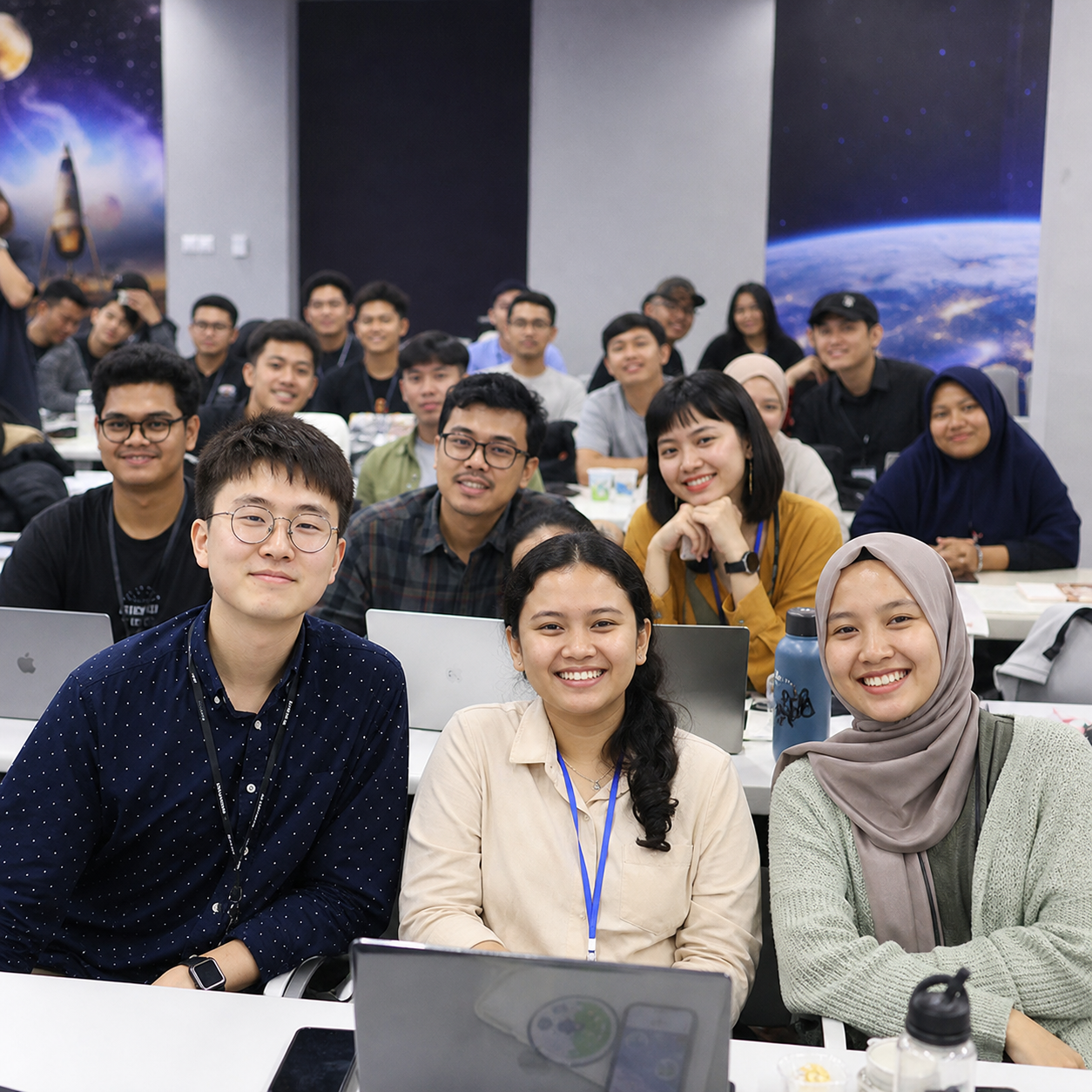
Everyone is welcome, including students, professionals, designers, developers, educators, scientists, storytellers, makers, and curious beginners. You do not need a space background to participate.
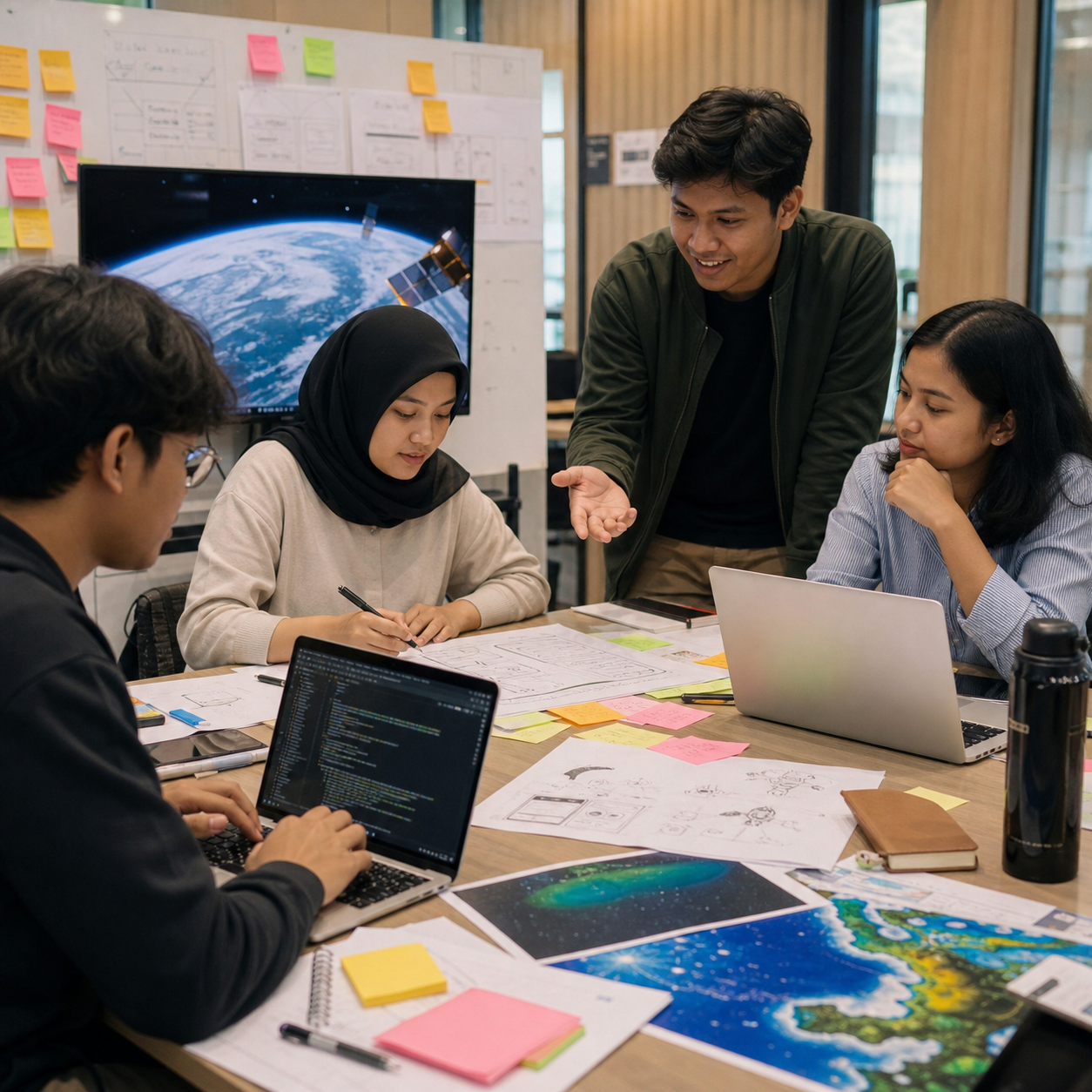
No. Strong teams also need research, design, data analysis, storytelling, communication, science, engineering, and project management skills. Bring your strengths and learn with your teammates.
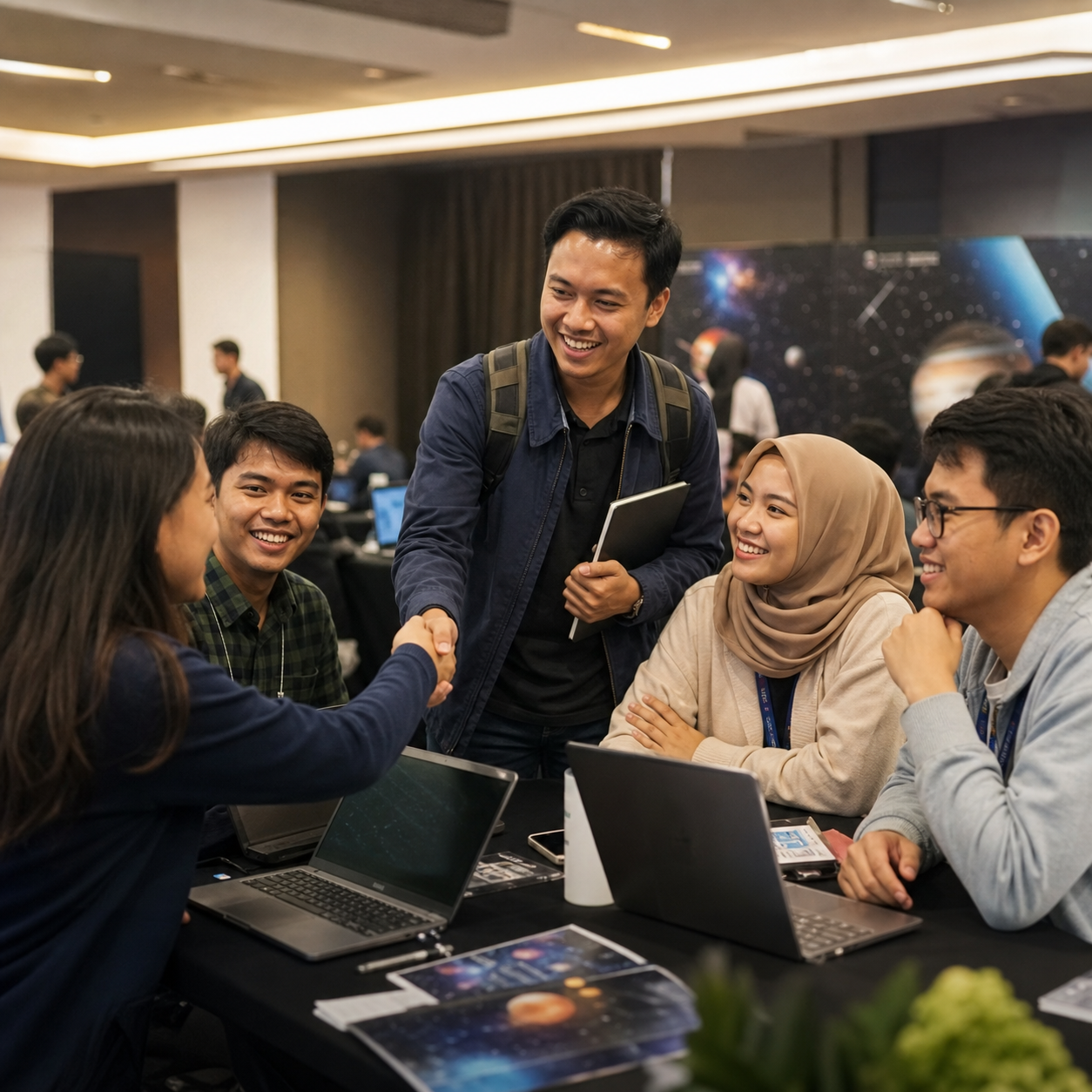
Yes. You can register individually and meet potential teammates during orientation, community sessions, or team formation activities. Many successful teams meet for the first time at the event.
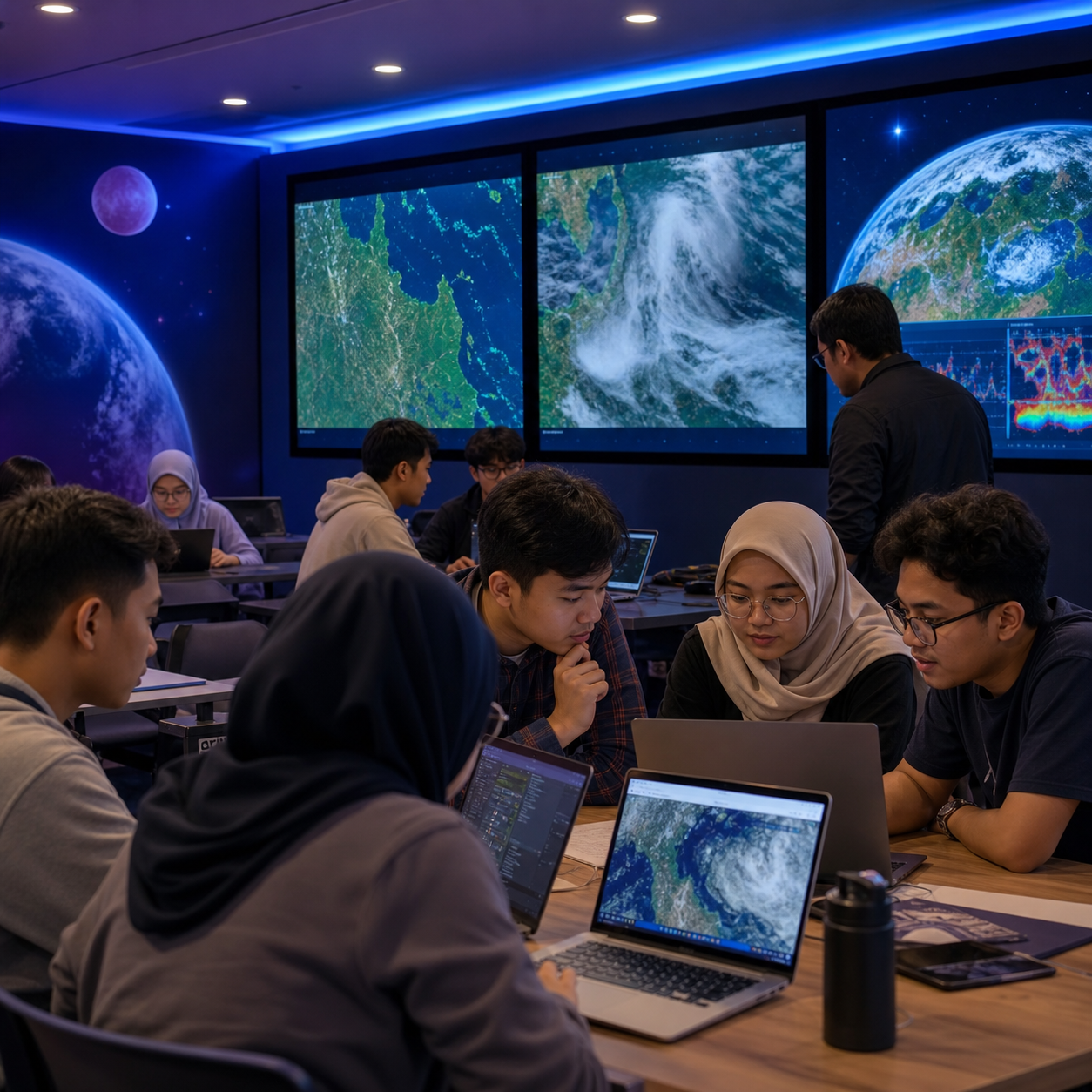
Teams can analyze NASA and partner datasets such as satellite imagery, weather, climate, ocean, land, planetary, and mission data, then transform them into apps, maps, dashboards, prototypes, learning tools, or public-impact stories.
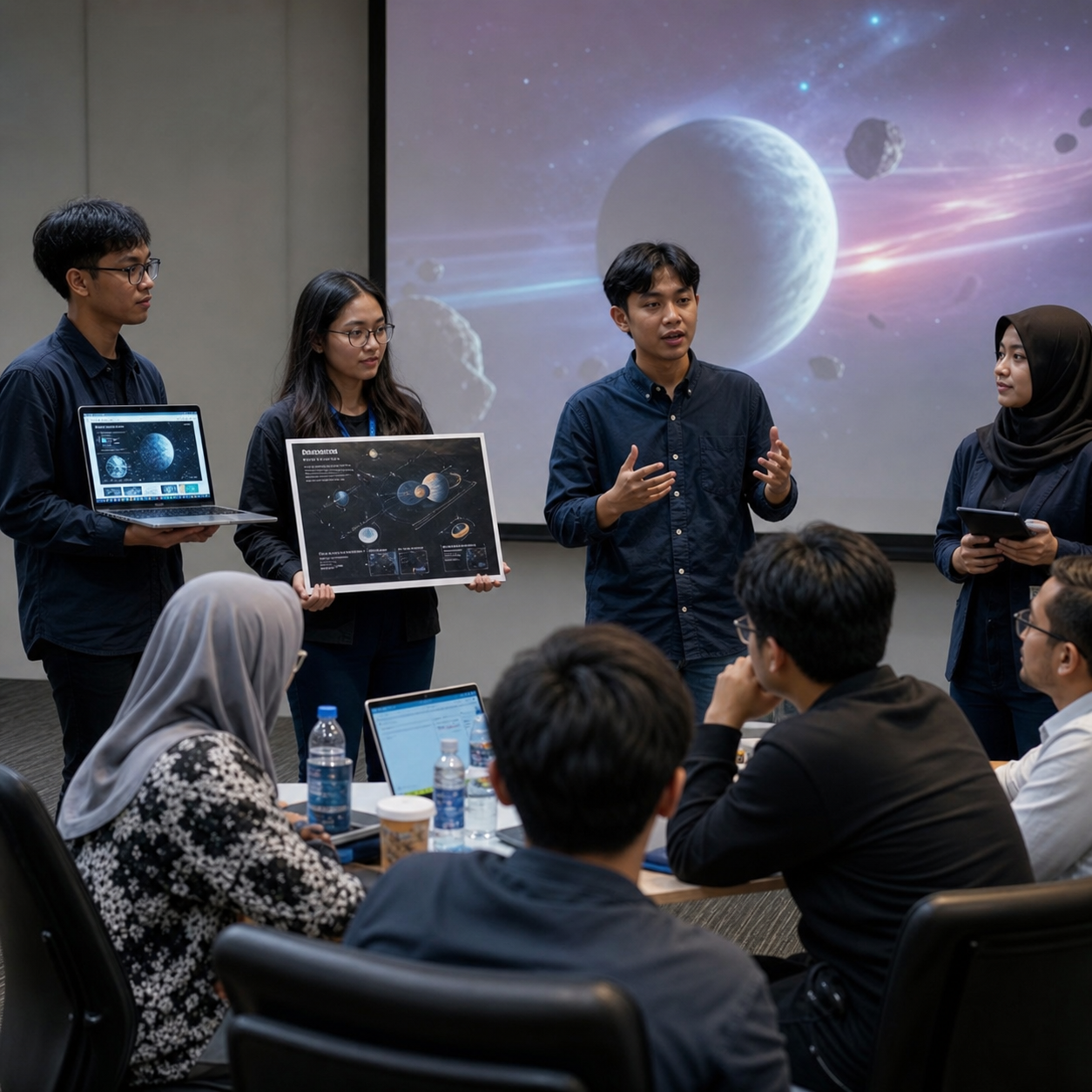
You will gain hands-on experience, a portfolio-ready project, mentor feedback, new professional connections, and the confidence to turn complex data into meaningful real-world impact.
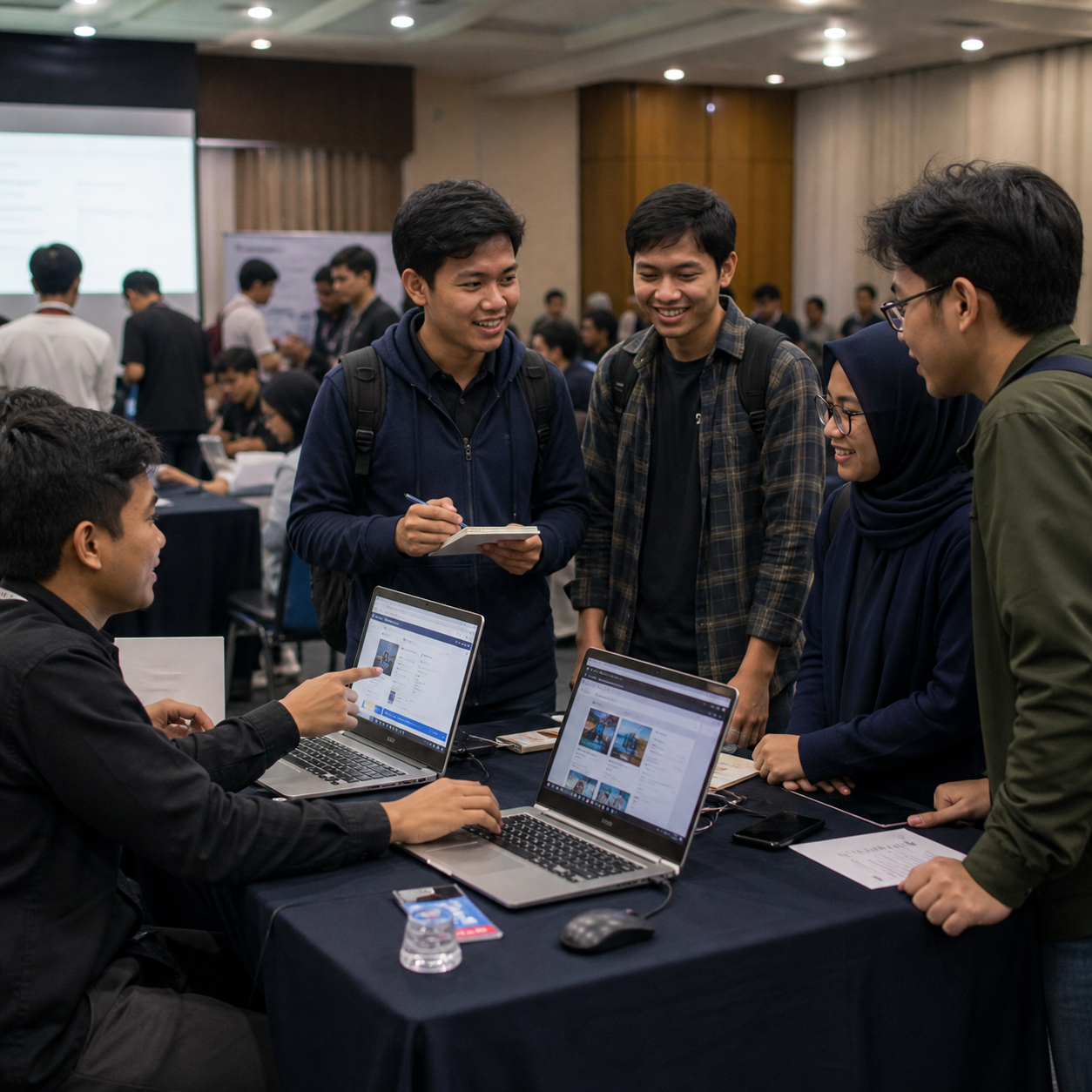
Register through the official NASA Space Apps platform when registration opens, select your preferred local event, and follow the organizer's confirmation and attendance instructions.
NASA Space Apps events are generally designed to be accessible to participants. Check your selected local event page for current registration details and any venue-specific requirements.
Participants from different age groups can join. Minors may need permission from a parent or guardian and should follow the requirements of their selected local event.
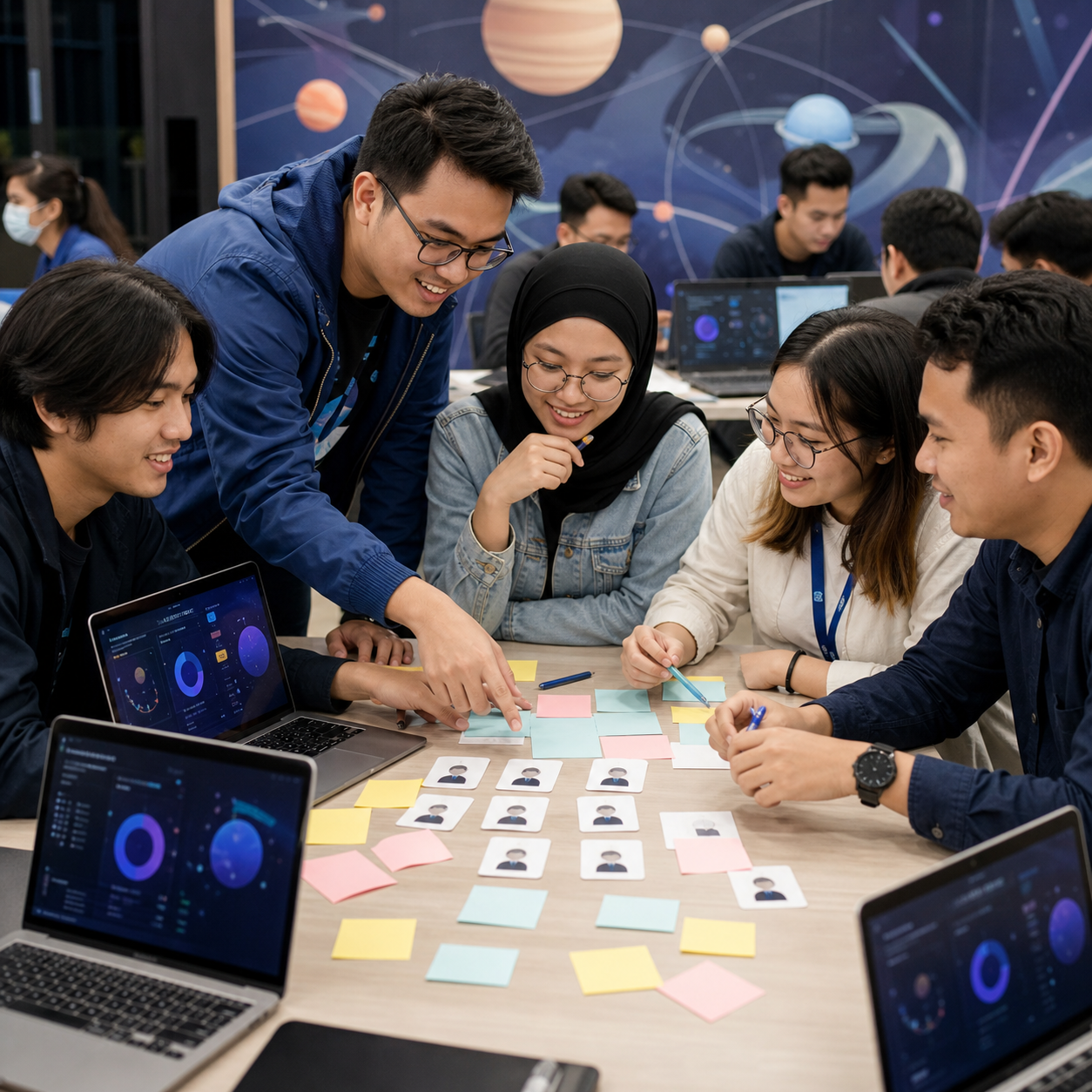
Follow the latest official event guidance. A practical team combines complementary abilities such as research, design, development, data analysis, project management, and presentation.
Yes. Multidisciplinary teams are encouraged because strong solutions often combine technical, scientific, creative, business, research, and communication perspectives.
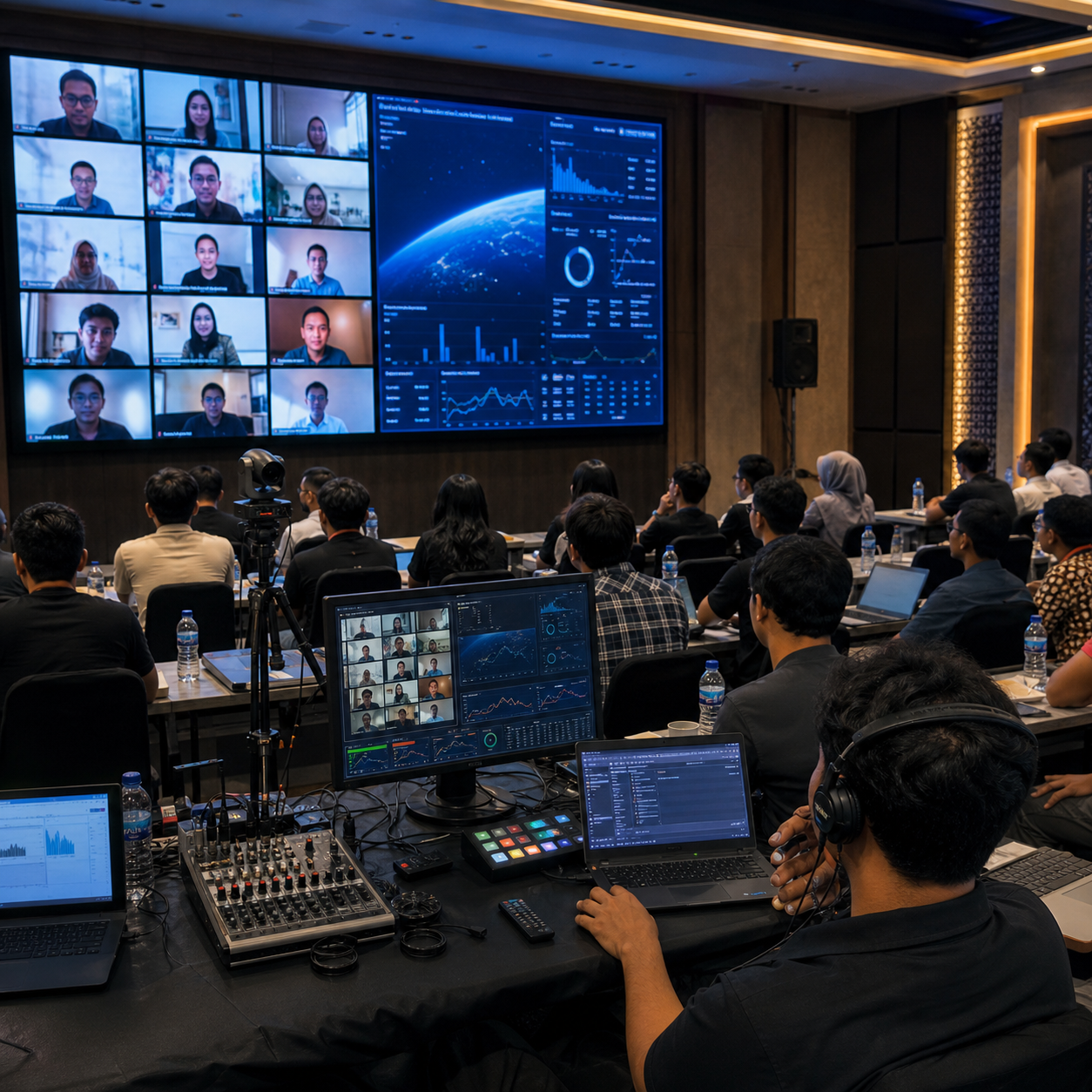
This depends on the format and rules of the selected local event. Confirm remote or cross-city participation with the local organizer before registration closes.
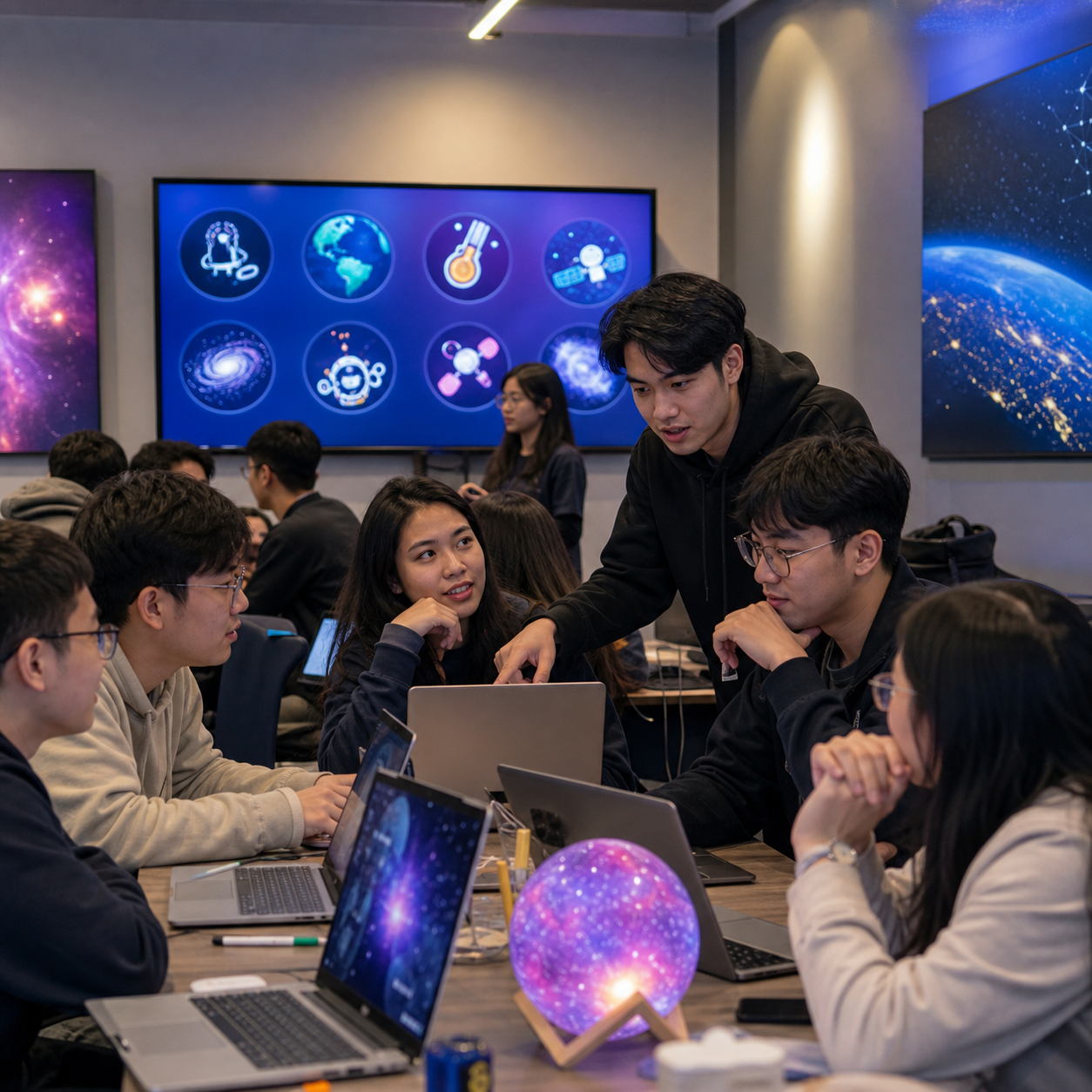
Challenge topics commonly include Earth observation, climate, space science, exploration, software, education, arts, storytelling, and community impact.
Challenge information is published through official event channels. Teams can review the available topics, discuss their interests, and select the challenge that best matches their goals.
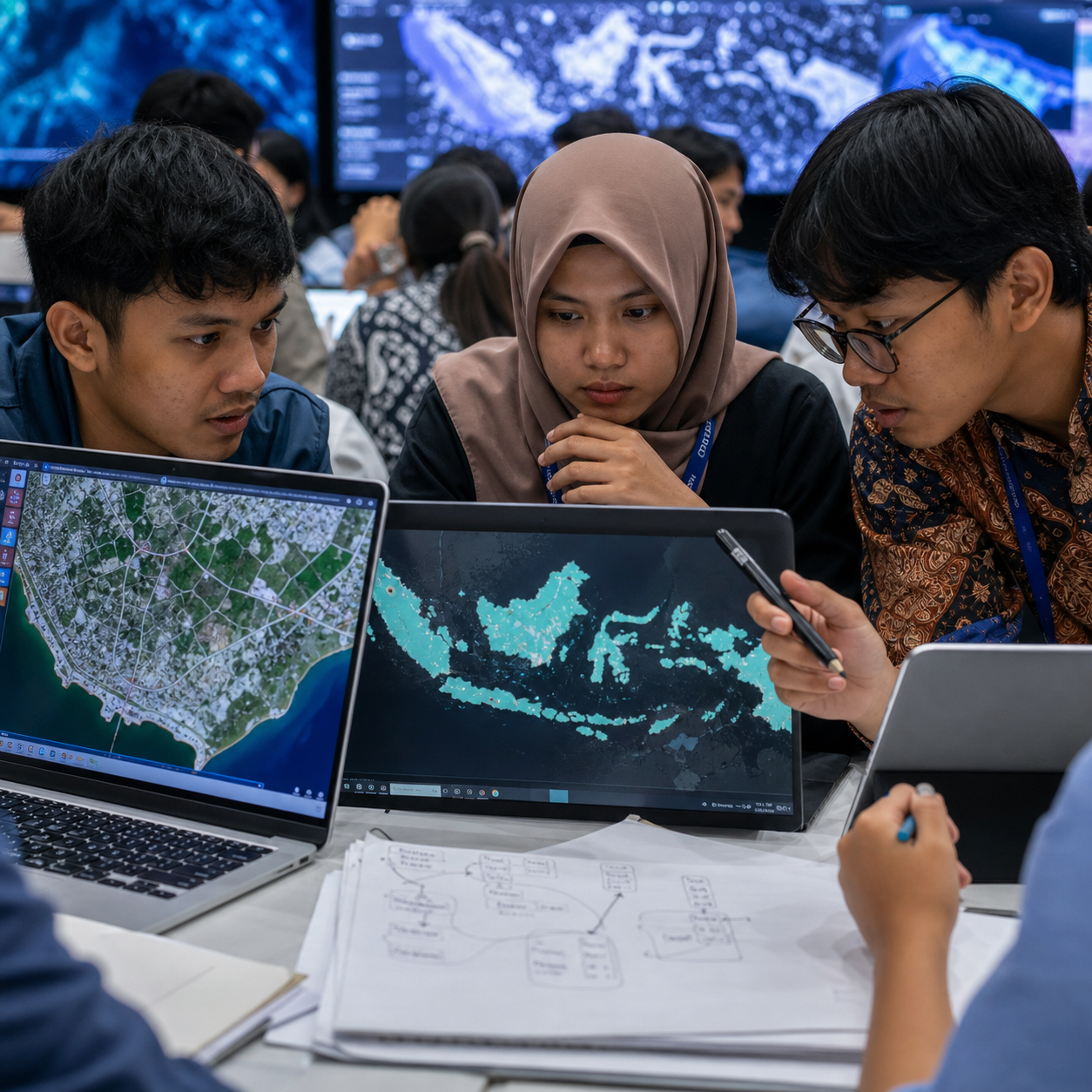
NASA and partner open data should be central when required by the challenge. Teams may combine it with credible public data, local observations, maps, or user research when useful.
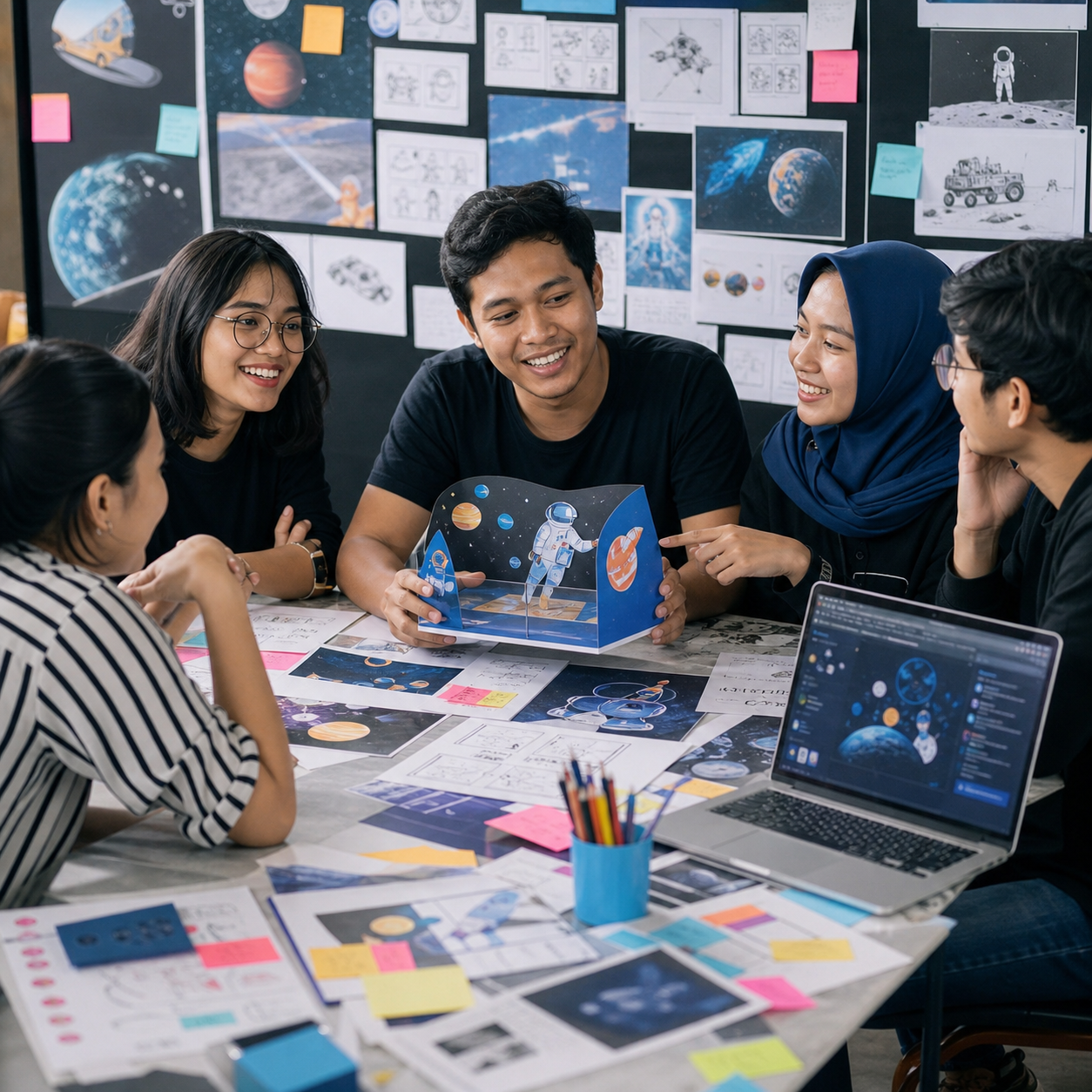
Yes. Projects may include visualizations, educational tools, design prototypes, hardware concepts, public campaigns, data stories, or research-backed proposals.
The format depends on each local event. Review your selected city's announcement for venue details, online links, schedules, equipment guidance, and attendance requirements.
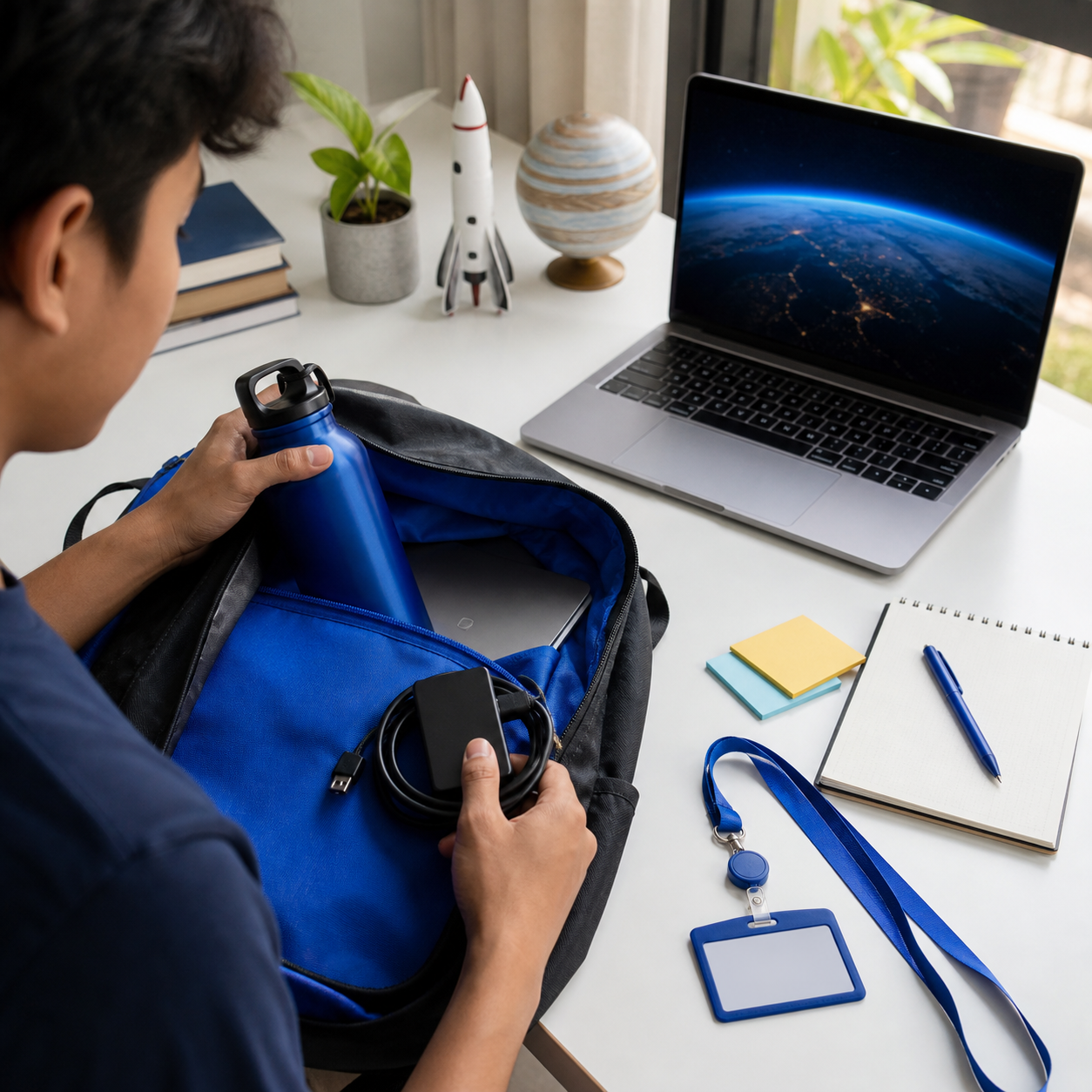
Prepare a laptop if available, internet access, a short introduction, and time to explore challenge topics and NASA Open Data. Reviewing past projects can also help.
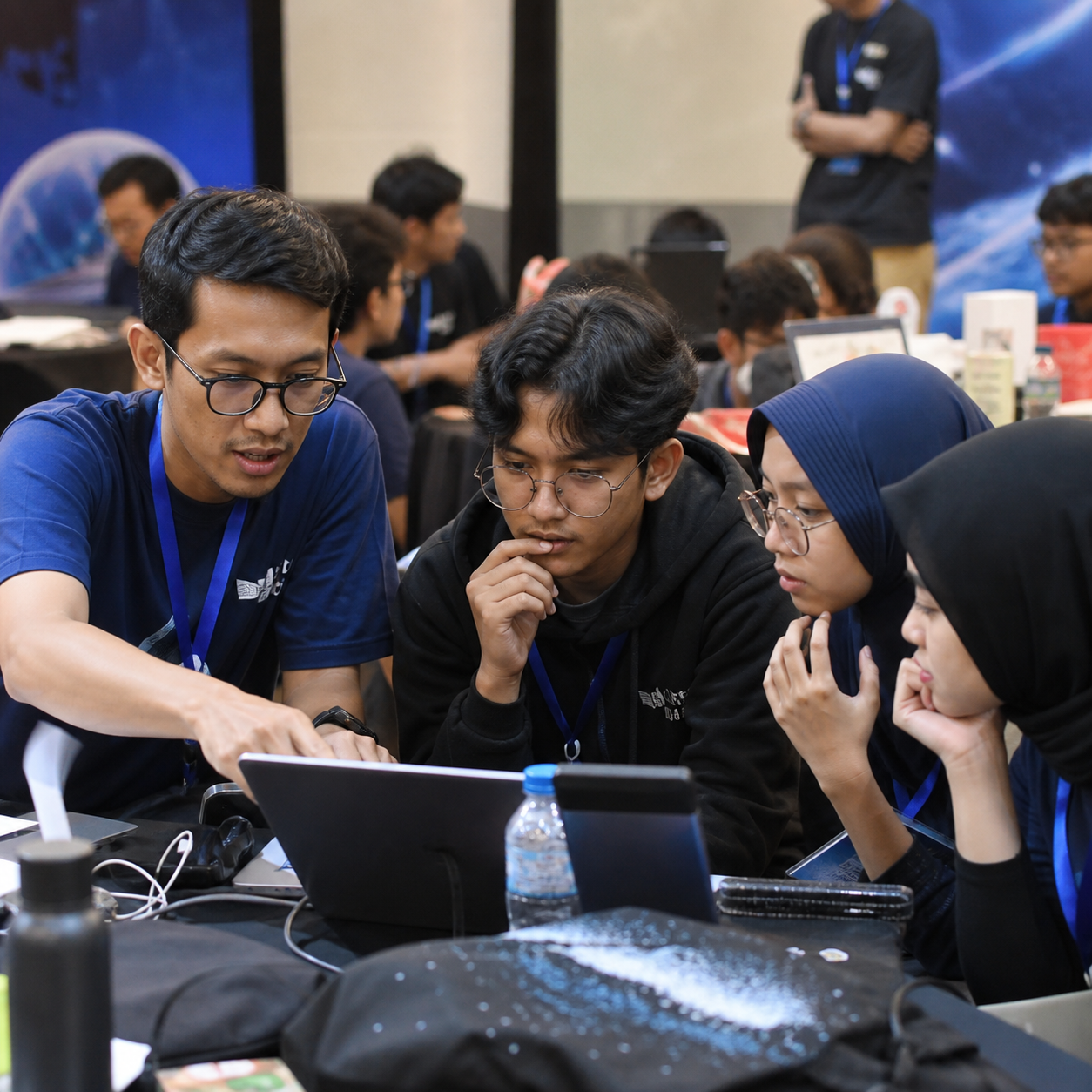
Local events may provide mentors who help teams clarify ideas, understand datasets, improve prototypes, and prepare presentations while teams retain ownership of their decisions.
Language arrangements vary by local event. Indonesian and English may both be used for announcements, resources, mentoring, project materials, or presentations.
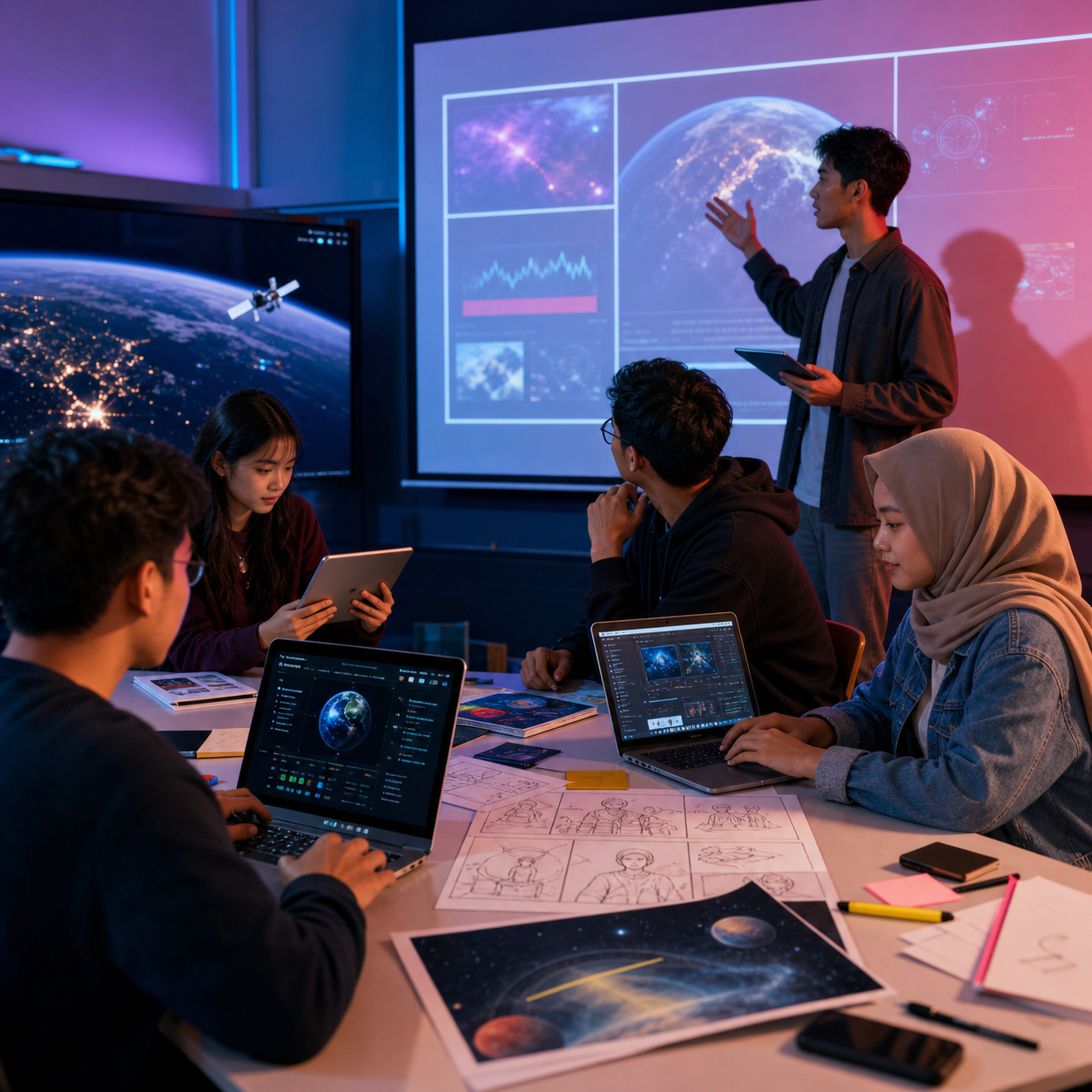
A complete submission should explain the problem, selected challenge, solution, use of data, impact, and next steps, supported by a prototype, demo, links, or presentation when requested.
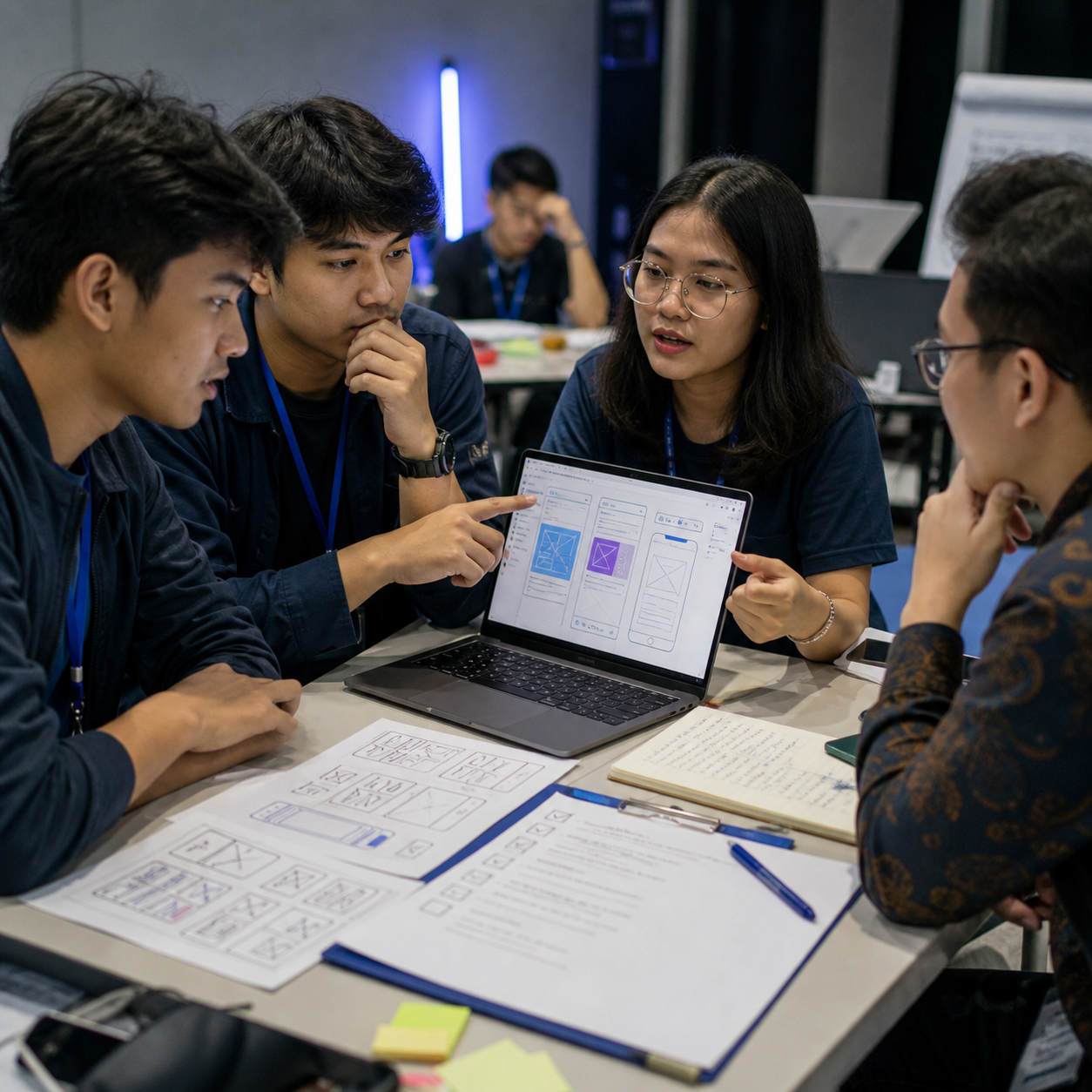
No. A clear prototype, demo, concept, data story, design, or proof of idea can be enough when the approach, data use, feasibility, and potential impact are communicated well.
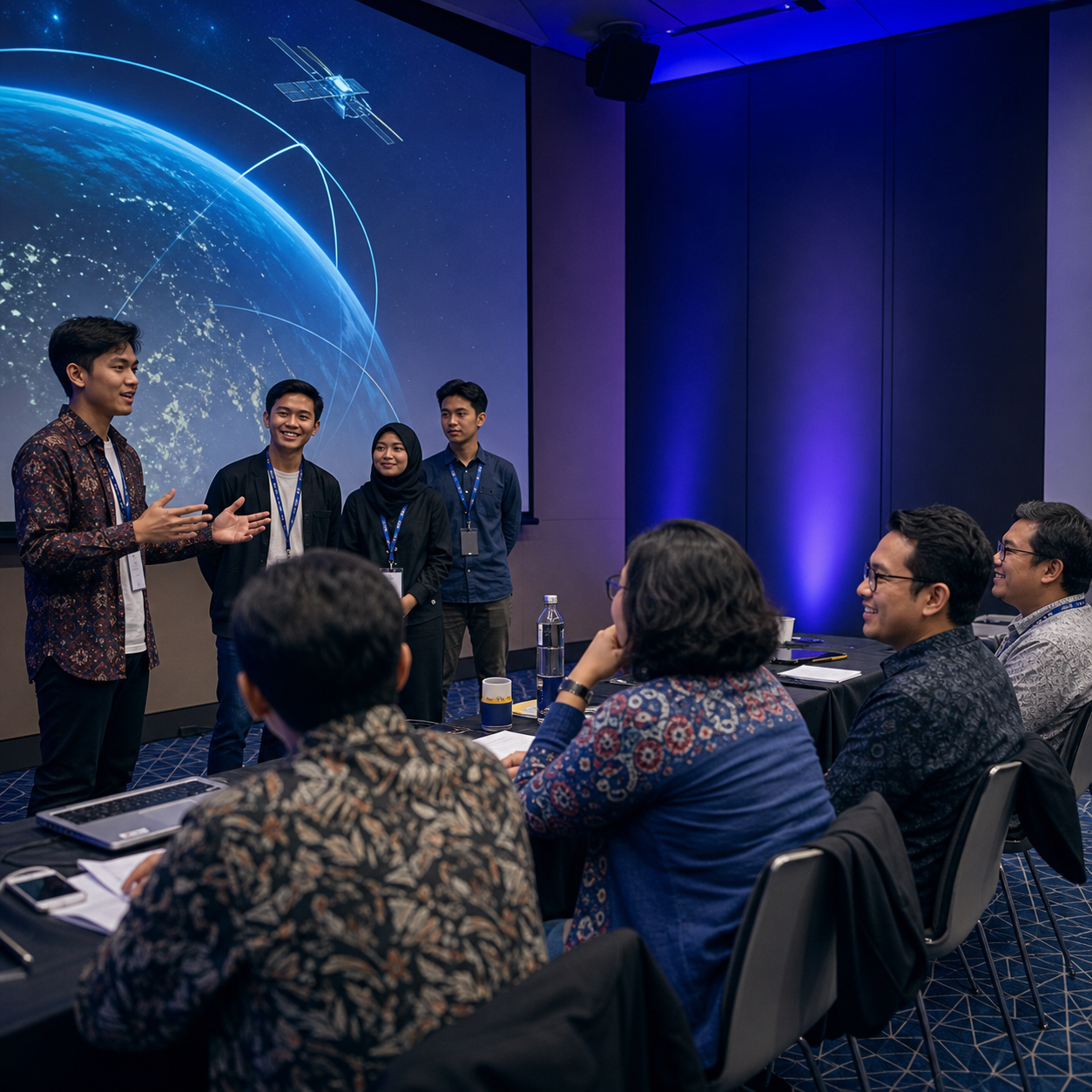
Projects are generally reviewed for relevance, creativity, impact, meaningful use of data, technical or design approach, feasibility, and clarity of presentation.
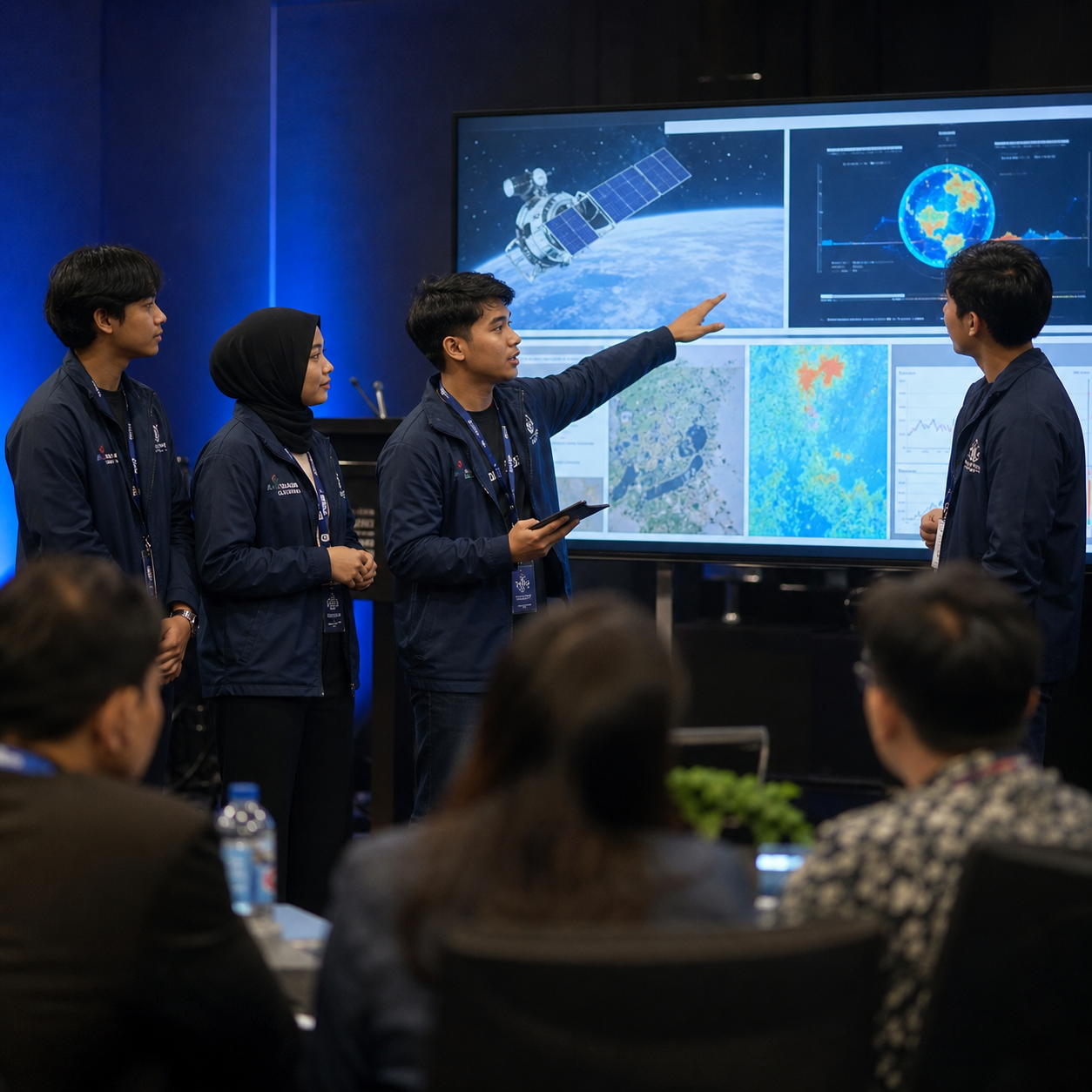
Strong projects define the problem clearly, use open data meaningfully, consider real users, present an original but feasible approach, and tell a memorable story.
Selected local projects may continue through the official review process. Organizers will communicate nominations, recognition, and any next steps through official channels.
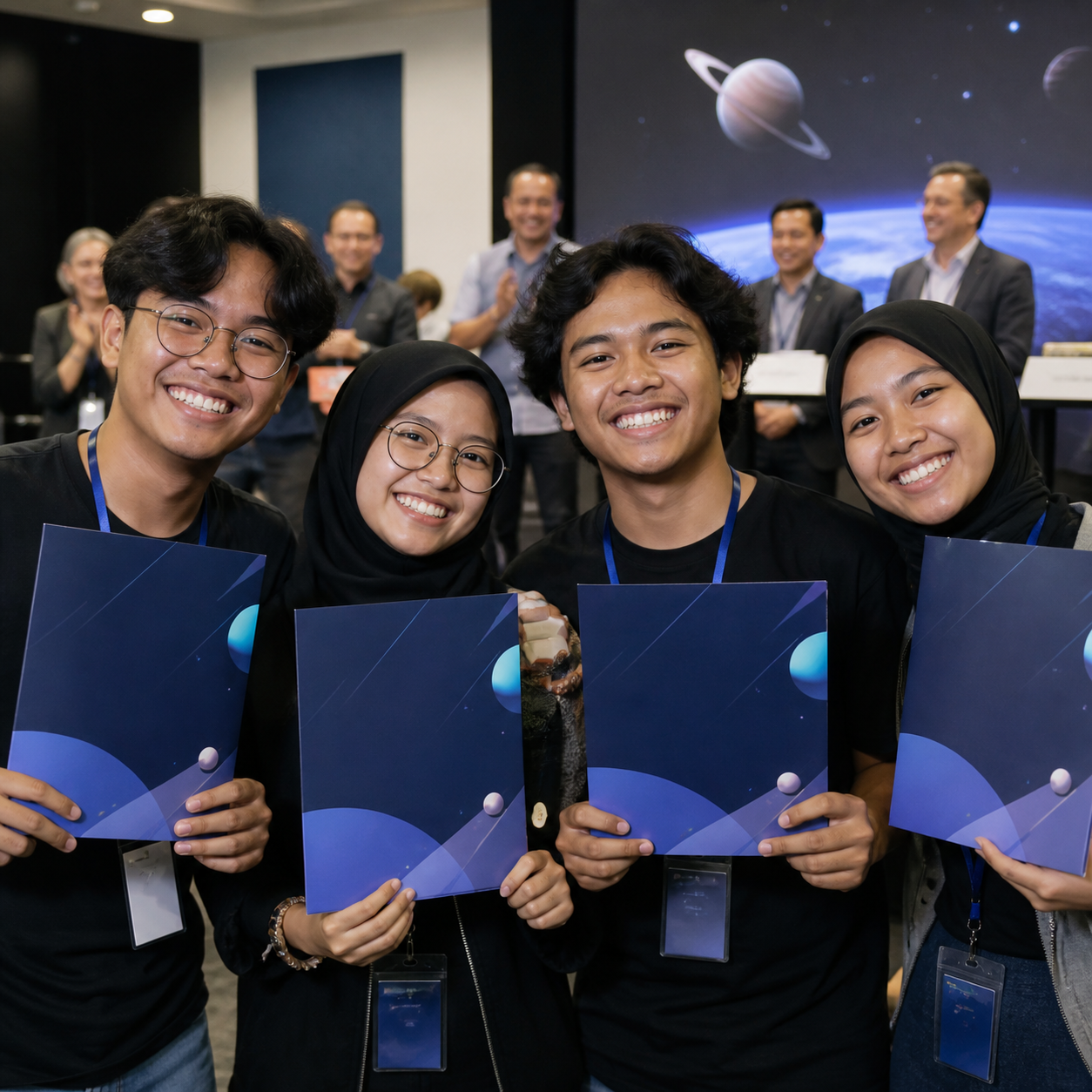
Certificates and recognition depend on current official program and local event policies. Follow organizer announcements for eligibility, attendance, and submission requirements.

Join the NASA Space Apps Community!





5K+ Participants Across Indonesia

Join the NASA Space Apps Community!
5K+ Participants Across Indonesia